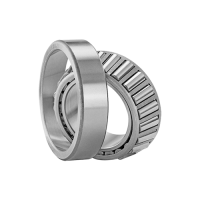
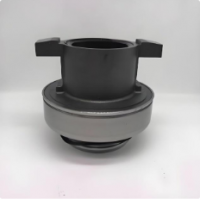
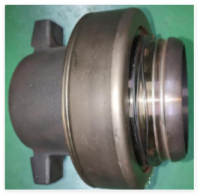
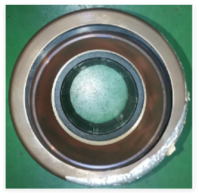
حالة ذات صلة: محمل فصل شاحنة MTWB لعام 2023 لسيارة شنشي الثقيلة
متطلبات العملاء:
1. سرعة تجميع التغطية: 1500 دورة في الدقيقة
2. شوط الفصل: 12 مم
3. التردد: 1 هرتز~2 هرتز
4. درجة حرارة الاختبار: 150 ± 5 درجة مئوية
5. سمك الكتلة القياسي: 10 ± 0.02 مم
6. تكرار الاختبار: مليوني مرة.
7. تجميع الغطاء المتطابق: أقصى قوة فصل لمجموعة غطاء FD430L-1601100GR-03 هي 7854.6 نيوتن.
النتائج الفعلية:
1. سرعة تجميع التغطية: 1500 دورة في الدقيقة
2. شوط الفصل: 12 مم
3. التردد: 2 هرتز
4. درجة حرارة الاختبار: 150 درجة مئوية
5. سمك الكتلة القياسي: 10 مم
6. تكرار الاختبار: مليوني مرة.
7. تجميع الغطاء المتطابق: أقصى قوة فصل لمجموعة غطاء FD430L-1601100GR-03 هي 7854.6 نيوتن.
بعد مليوني اختبار عمر محاكاة على طاولة عند 150 درجة مئوية (درجة الحرارة القصوى للمحمل هي
148°م)، زادت مقاومة المحمل الدورانية ولم يتسرب الزيت، لذا يمكن أن يكون
لا يزال يستخدم.
توفر MTWB محامل سيارات عالية الجودة مصممة لمصنعي السيارات الأصليين، وموردي الفئة الأولى، والموزعين الصناعيين حول العالم. تشمل حلولا محامل السيارات لدينا أنظمة الدفع، وأنظمة النقل، وأنظمة التوجيه، وتطبيقات الهيكل، والمعدات المساعدة، ومكونات المركبات الكهربائية
صممت للمركبات الكهربائية – معزولة كهربائيا (لمنع تلف الخادد الناتج عن التيارات الناتجة عن العاكس)، وشحوم منخفضة الاحتكاك لمدى أطول، ومقاطع عرضية مدمجة لدمج المحاور الإلكترونية، ومنخفضة الضوضاء/الاهتزاز (NVH) لراحة المقصورة.
◆عمر العمر: تدوم محامل القيادة الكهربائية بمقدار 2-3× أطول من المحامل الكروية ذات الأخدود العميق القياسية (300,000 كم مقابل 150,000 كم) بسبب عناصر الدرفلة الهجينة السيراميكية والطلاءات الموصلة أو المعزولة التي تلغي التآكل الكهربائي.
◆السرعة: الحد الأقصى للمحامل القياسية بين 12,000–15,000 دورة في الدقيقة في محركات الجر؛ تحقق المحامل الخاصة بالسيارات الكهربائية سرعة 25,000–30,000 دورة في الدقيقة بشكل مستمر، مما يتيح محركات أصغر وأعلى قوة.
◆التفاصيل: محامل EPS توفر عزم احتكاك أقل بنسبة 50٪ (حتى 0.01 نيوتن متر) لتحسين إحساس التوجيه واستعادة الطاقة. المحامل المساعدة (مثل مضخات التبريد الكهربائية) تعمل بدون صيانة لمدة 15,000 ساعة مقابل 5,000 ساعة للتقليدية.
◆التطبيق/الصناعة: دعامات محركات جر كهربائية، رفوف توجيه كهربائي، ضواغط كهربائية لمضخات الحرارة، ومضخات زيت إلكتروني.
◆عامل السرعة (DN): 2.0 مليون (مثلا، قطر 30 مم × 65,000 دورة في الدقيقة).
◆مقاومة العزل: >500 ميغاأوم عند 1000 فولت تيار مستمر (طلاء الألومينا أو الراتنج، بسماكة 100–300 ميكرومتر).
◆ نطاق درجات الحرارة: -40°م إلى +150°م بشكل مستمر (ذروة 180°م لمدة 30 دقيقة).
◆عمر الشحوم: 10,000 ساعة عند 120°C (البوليوريا منخفضة النزيف أو زيت مفلور).
◆سرعة الاهتزاز: ≤0.3 مم/ثانية (درجة ضوضاء منخفضة لراحة المقصورة).
◆المحامل القياسية بدون عزل ستفشل بسبب الحفر الكهربائي خلال 1000-5000 ساعة في قيادة السيارات الكهربائية - وهي النماذج الواضحة كأنماط ألواح الغسيل على مسارات السباق.
◆لا يزال استبدال محمل كهربائي غير هجين يخاطر بمرور التيار الحالي؛ الهجين السيراميك الكامل (كرات Si₃N₄) إلزامي لأنظمة >800 فولت.
◆لا تستطيع المحامل القياسية للهيكل تحمل عزم التسارع الأعلى لعزم الدوران الفوري للسيارات الكهربائية (0-20,000 دورة في الدقيقة في <1 ثانية) - مما يؤدي إلى كسر القفص. استخدم أقفاص مخصصة للسيارات الكهربائية (PEEK مع 30٪ ألياف كربون).
◆ في EPS، فإن الاحتكاك الأعلى للمحامل القياسية يسبب تموجات عزم الدوران وصوت التوجيه. يجب أن تكون دقة التوافق أكثر إحكاما (js4 بدلا من k5) لتجنب الانزلاق الدقيق.
◆دائما قم بتأريض عمود المحرك عبر فرشاة موصلة عند استخدام المحامل المعزولة - وإلا فإن العزل يجبر التيار على إيجاد مسار آخر (مثلا عبر محامل أخرى).
س1: هل توفر MTWB محامل سيارات مخصصة؟
نعم. توفر MTWB حلول محامل سيارات مخصصة وOEM بناء على رسومات العملاء والمواصفات ومتطلبات التطبيق. انقر هنا لعرض المزيد من التفاصيل المخصصة.
س2: هل يمكن لمجلس التربية والعمل أن يحل محل العلامات التجارية الدولية لمحامل السيارات؟
نعم. تطور MTWB محامل بديلة فعالة من حيث التكلفة ومتوافقة مع أبعاد العلامة التجارية الدولية ومتطلبات الأداء.
س3: ما هي تطبيقات السيارات التي تدعمها MTWB؟
تستخدم محامل MTWB في نظام الدفع، وناقل الحركة، والتوجيه، والهياسيه، والأنظمة المساعدة، وتطبيقات السيارات الكهربائية.